Chapter 0 — Behind the Scenes of Scalable Systems
Lately, I’ve been reflecting on the systems I build. Not just when everything works perfectly, but also when they scale under heavy load, handle massive volumes of data, or face unexpected failures. The more I think about it, the more I realize: there’s a lot happening under the hood that I don’t fully understand yet.
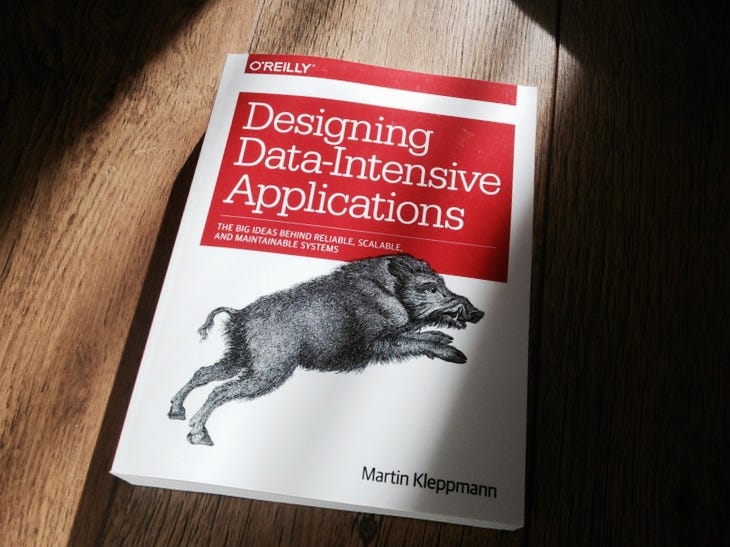
That’s why I picked up Designing Data-Intensive Applications by Martin Kleppmann. It made me pause. I’ve been building with powerful tools and complex architectures, but I hadn’t really explored the trade-offs behind them—why some systems handle scale so gracefully while others struggle under pressure.
The Buzzwords We Hear (But Don’t Always Understand)
Walk into any tech discussion these days, and the buzzwords are everywhere:
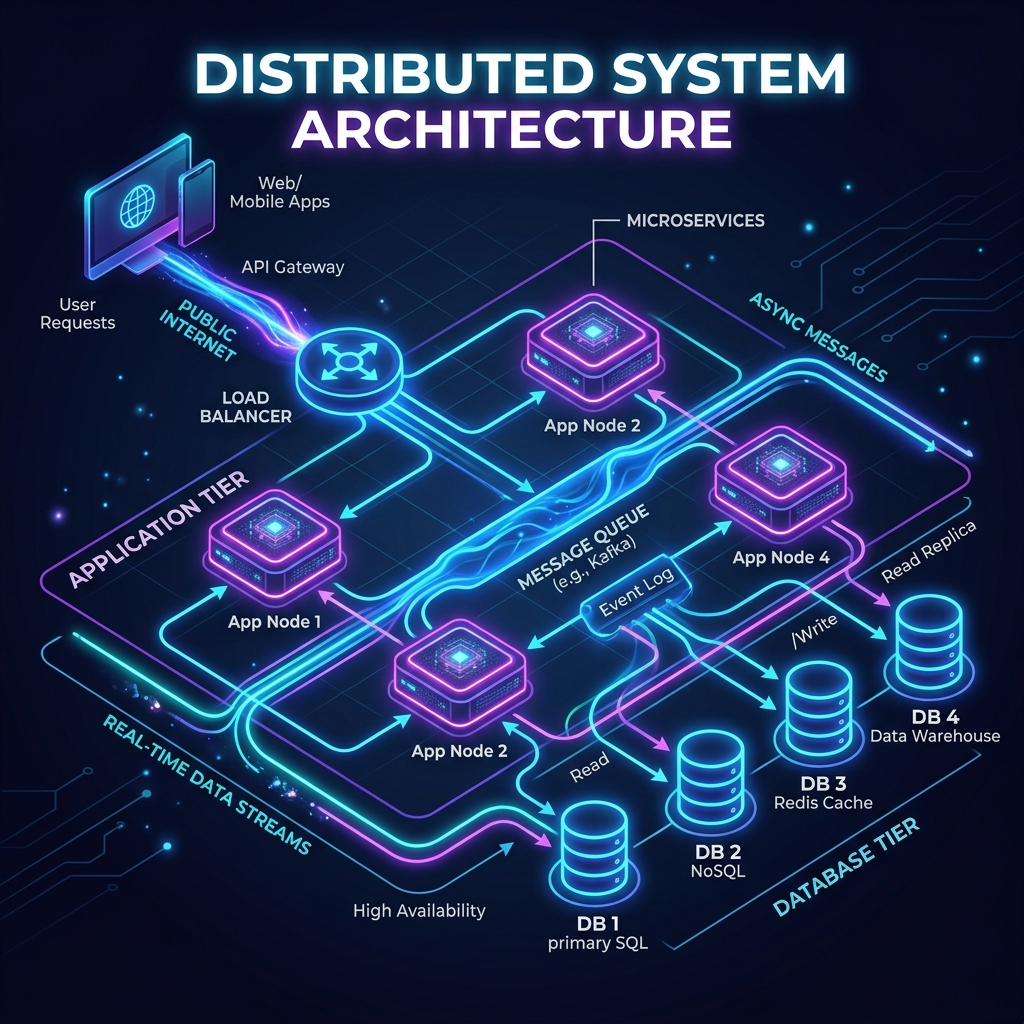
NoSQL, Big Data, Sharding, CAP Theorem, Eventual Consistency, Real-time Processing…
They sound exciting, and they hint at powerful possibilities. But here’s the thing: it’s not the words themselves that matter. It’s understanding how these systems behave in the real world—when traffic spikes, when servers fail, or when data changes faster than your app can handle.
Why Now Feels Like the Right Time
Backend systems today are nothing like they were a decade ago. A few key shifts have changed the game:
- Distributed Systems are the Norm: Even small teams can build systems spanning multiple machines or geographic regions.
- High Availability is Expected: Businesses expect maximum uptime, where downtime is practically unacceptable.
- AI is Assisting with the Heavy Lifting: With AI taking on huge parts of actual code generation, our focus as software engineers must strongly shift toward high-level system conception, design, and architecture trade-offs.
- Hardware is Evolving: Multi-core processors and faster networks mean we can do more in parallel than ever before.
With these shifts, it’s increasingly critical to understand why systems behave the way they do, not just how to put them together.
What I Hope to Explore in This Series
Rather than just reading the book in isolation, I’m turning my notes into a blog series. My goal is to:
- Share what I’m learning in my own words.
- Connect these concepts to real-world systems I work with, like APIs and microservices.
- Explore the trade-offs and decisions that make systems scalable, reliable, and maintainable.
In the upcoming posts, I’ll cover all parts of the book, from start to finish:
- Foundations: Reliability, scalability, and maintainability—the core principles every system needs.
- Distributed Systems: Replication, partitioning (sharding), transactions, consistency, and consensus algorithms.
- Data Processing: How batch and streaming systems work, and how to combine them effectively.
This isn’t just theory. It’s about deeply understanding the core components I use every day, seeing why they behave the way they do, and thinking about how to make them better.
What’s Next
Next up, we’ll dive directly into what it really means for a system to be reliable, scalable, and maintainable—the foundational pillars of all data-intensive applications.
I’m still learning, but sharing this journey is my way of making sense of it all. I hope it helps you along the way too!